Make the system legible
Understand the real constraints, dependencies and operating behavior before choosing the intervention.
Examples
This is not a complete career archive. It is selected evidence of the same recurring ability: understand a complex system, find what is missing and help turn intent into something that works.
Understand the real constraints, dependencies and operating behavior before choosing the intervention.
Move from direction to a product, platform, workflow or technical foundation that people can actually use.
Connect strategy, product, technology, production and organization when the problem does not fit one function.
Systems, products and companies
Work where the product, the operating model and the organization had to evolve together.
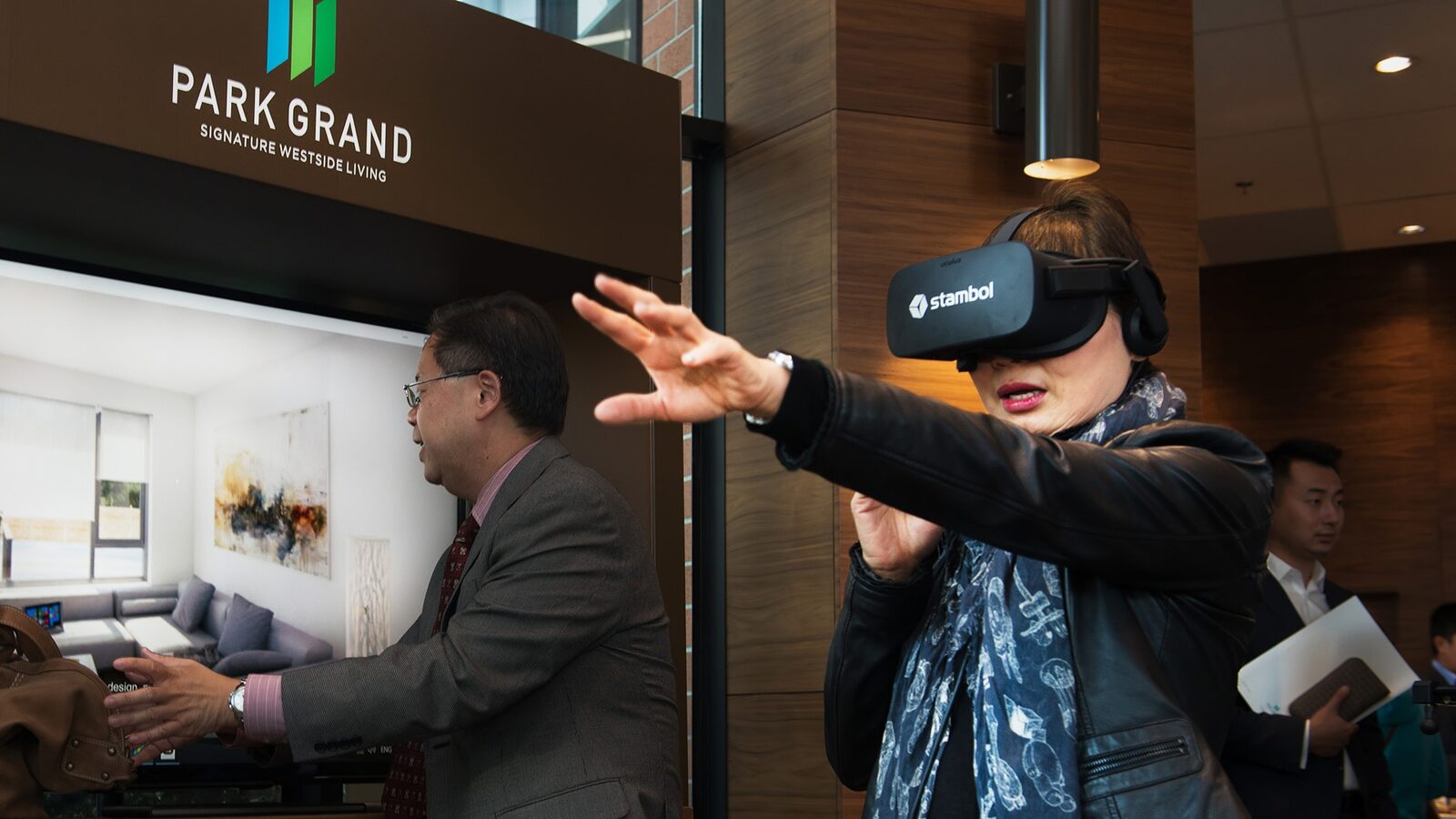
Stambol · Co-founder and technology/product leader
Turning spatial ideas into usable products
Co-founded and led immersive and real-time product work across visualization, training, simulation, healthcare, real estate and interactive experiences. Projects moved from ambiguous client needs through product, architecture and delivery.
Large-scale software organization · Technology and transformation leadership
Building organizational memory for software quality
Connected crash logs, telemetry, defect history and selected player-feedback data into a shared intelligence layer that could preserve context and help teams move from evidence to ownership and action.
The goal was not another dashboard or ticketing workflow. It was a shared organizational memory for software quality.
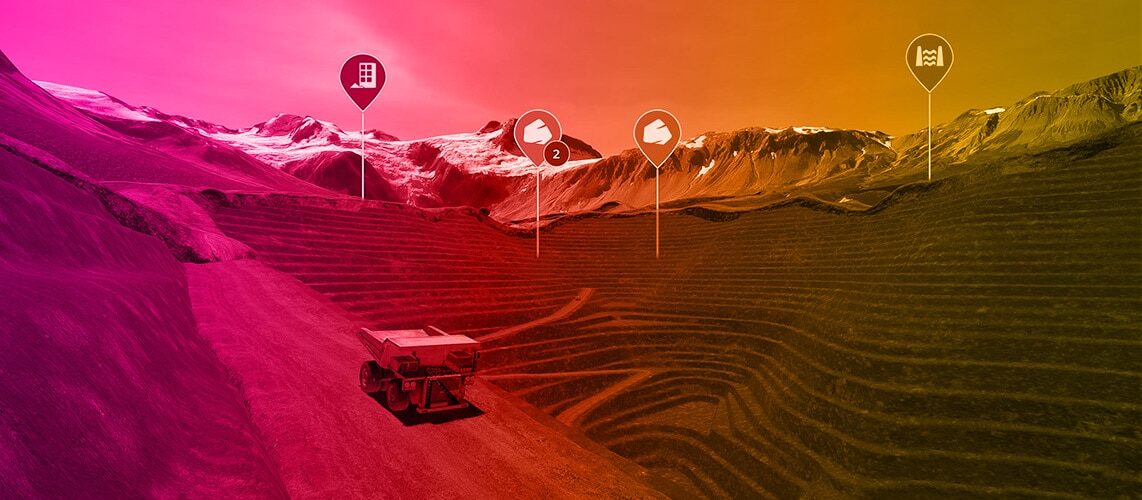
LlamaZOOTechnology strategy, product architecture and engineering leadership
Making the operation visible
Led technology strategy, product architecture and engineering for enterprise digital twins that placed operational and business data directly on interactive 3D representations of factories, facilities and business operations.
The result was not simply a 3D model. It was a shared interface for understanding the operation.

Co-founder and CTO · Co-founder and technology leadership
Connecting software to the physical world
Co-founded and led a location-intelligence platform spanning mobile, cloud, APIs, IoT, geofencing and Bluetooth Low Energy. It connected physical locations with digital experiences and business workflows.

OIXCo-founder and technology/product leadership
A creator-focused platform for identity, commerce and ownership
Co-founded and led OIX, a creator-focused social platform combining identity, commerce, marketplace, digital ownership, Azure-based distributed services and blockchain integrations.
Games and real-time technology
Products and platforms built under demanding creative, technical and production constraints.
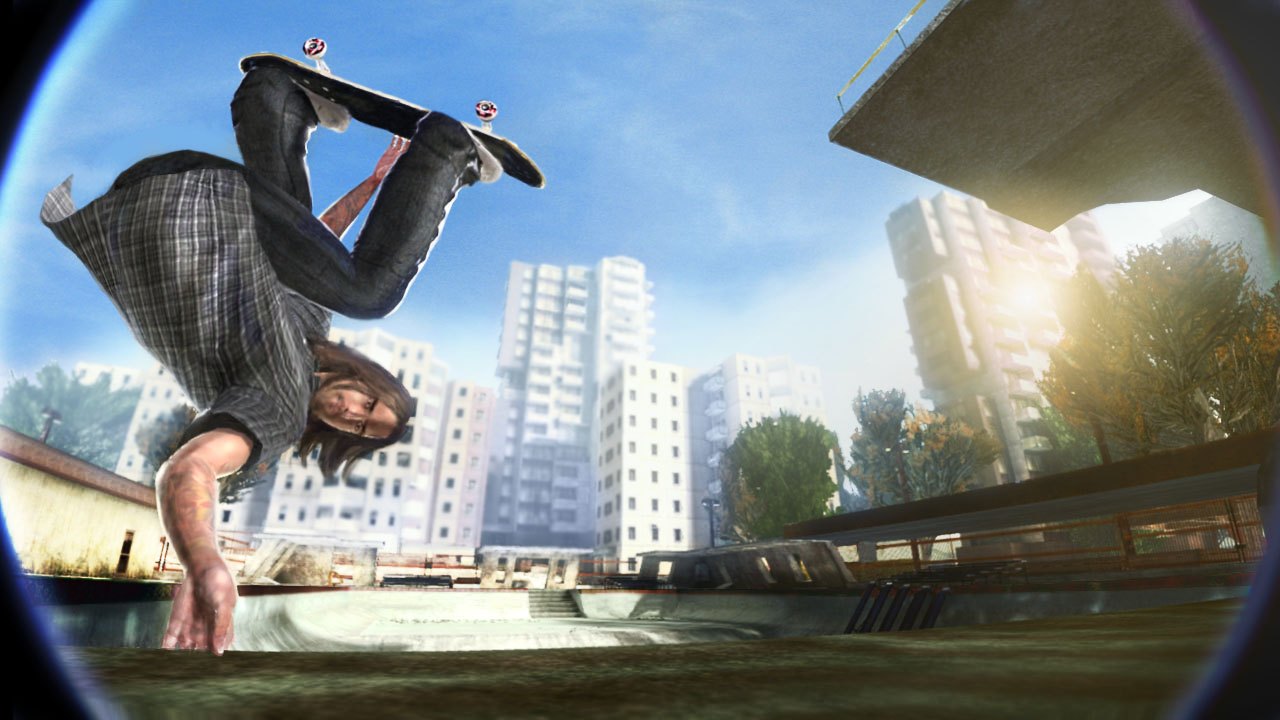
Electronic Arts · Gameplay and AI systems leadership
Making a virtual city feel alive
Led gameplay and ambient AI systems across the Skate franchise, including pedestrians, security, characters, interactions, spawning, persistence and world simulation infrastructure. Coordinated execution across engineering, design, animation, art and production.
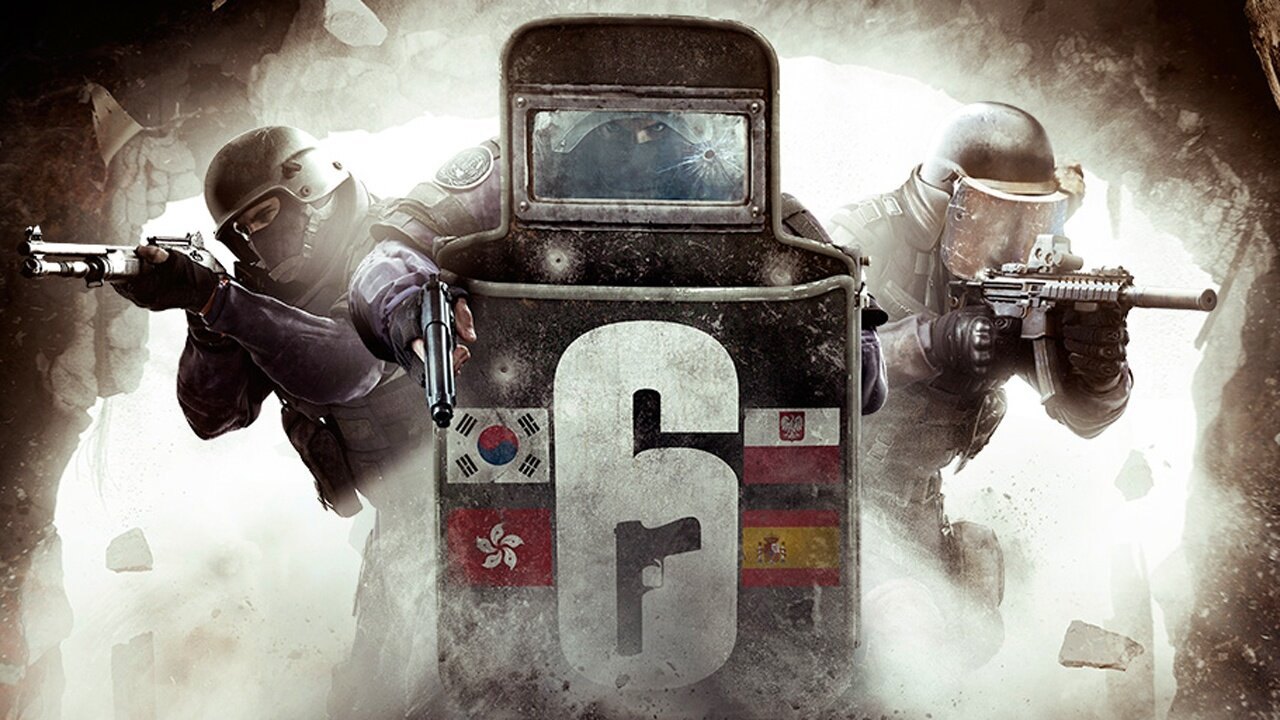
Ubisoft · Technology leadership
Technology leadership inside a large-scale live-game ecosystem
Worked within the Rainbow Six ecosystem, the largest player-scale game environment of my career to date, across technology, engineering effectiveness and the systems supporting continued live development.
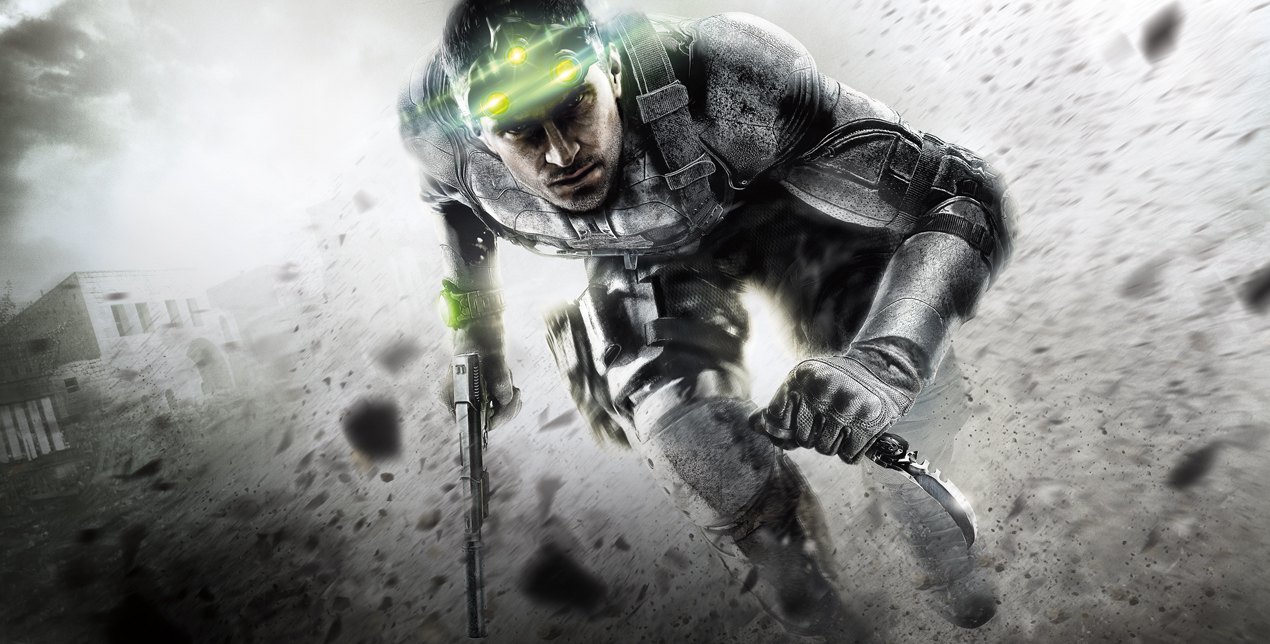
Ubisoft · Engine, Kinect and speech-recognition integration
Making invisible behavior visible
Worked on Kinect and speech-recognition integration inside a modified Unreal Engine 2.5 codebase. Spatial frame-rate heatmaps showed where performance degradation appeared inside the game environment and turned it into a design surface for the team.
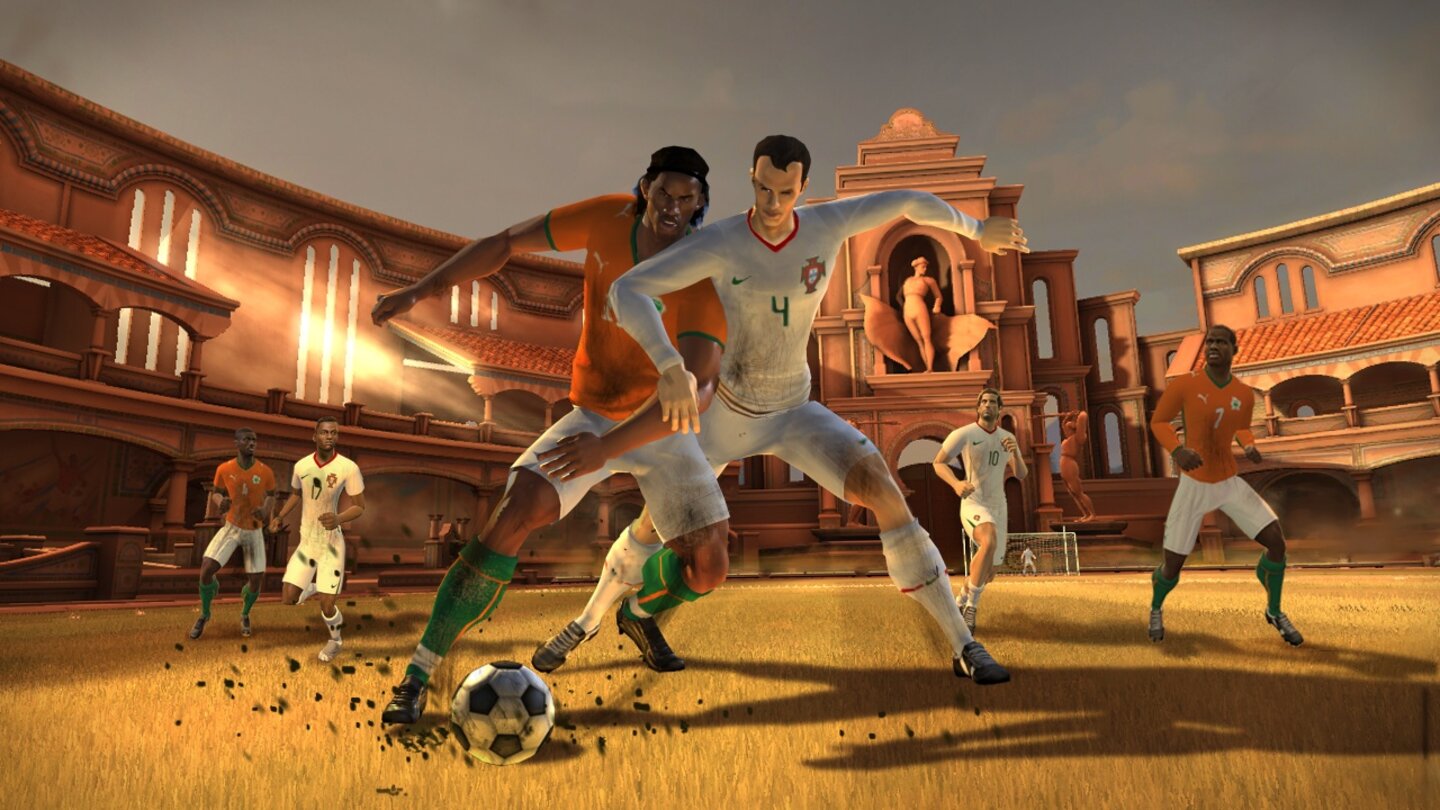
Ubisoft · Technical direction
From approximately 10 FPS to a stable 60
Led architectural and performance work across rendering, animation, job systems and multicore execution. This helped turn a console game missing its fundamental performance target into a product capable of shipping at a stable 60 FPS.

The body as the interface
Worked on interaction for a motion-controlled title built around Kinect and PlayStation Move. The player's body was the primary interface, and the design challenge was making the system's interpretation of the player legible back to the user.
Technical foundations
Work close to engines, graphics, operating systems and the lower layers that make ambitious products possible.
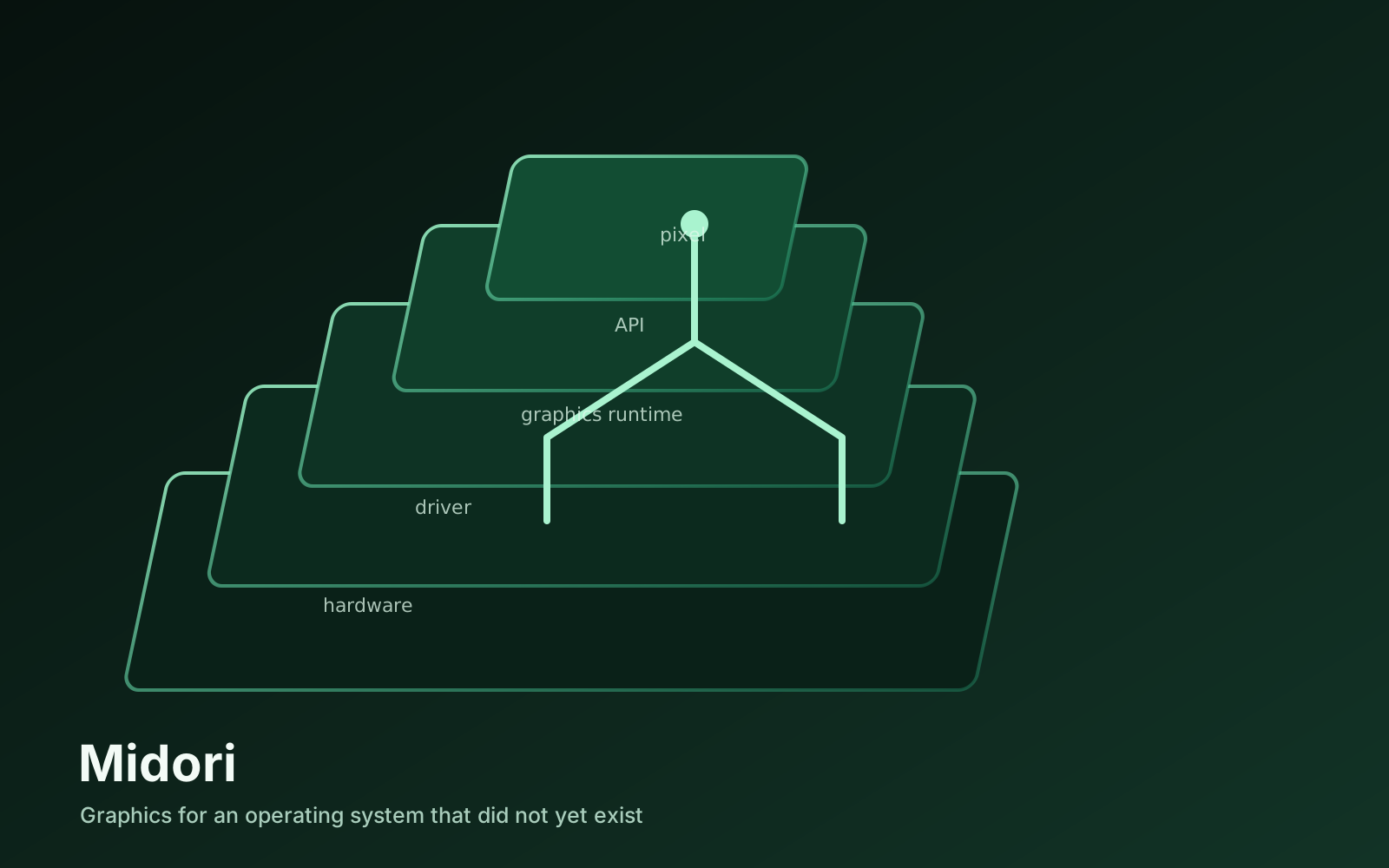
Microsoft · Low-level graphics and GPU software architecture
Graphics for an operating system that did not yet exist
Worked on low-level graphics systems and GPU software architecture for Midori, an experimental operating-system project at Microsoft. The work included graphics and GPU drivers, high-performance graphics APIs, and validation and diagnostics tooling. I developed a functional graphics driver from hardware specifications using Midori's experimental language and runtime.
The next example starts with the work
We can understand the system, find the useful role for AI and build the smallest capability that proves the direction.