Games and real-time technology
Rethink the studio, not only the tools.
A career across shipped titles, engines, gameplay and AI, interaction systems, performance and production technology. The interesting question is no longer which tool to buy. It is how the studio itself is designed.
Games and real-time software have always been the place where interaction, systems thinking, human perception and hard engineering constraints meet at the same table. That is why the lessons travel, from virtual-world systems and performance architecture to the operating model of an AI-native studio.
The work below is representative rather than exhaustive. It includes shipped titles at Electronic Arts and Ubisoft, as well as production technology work inside a large-scale live-game environment.
Recent scale
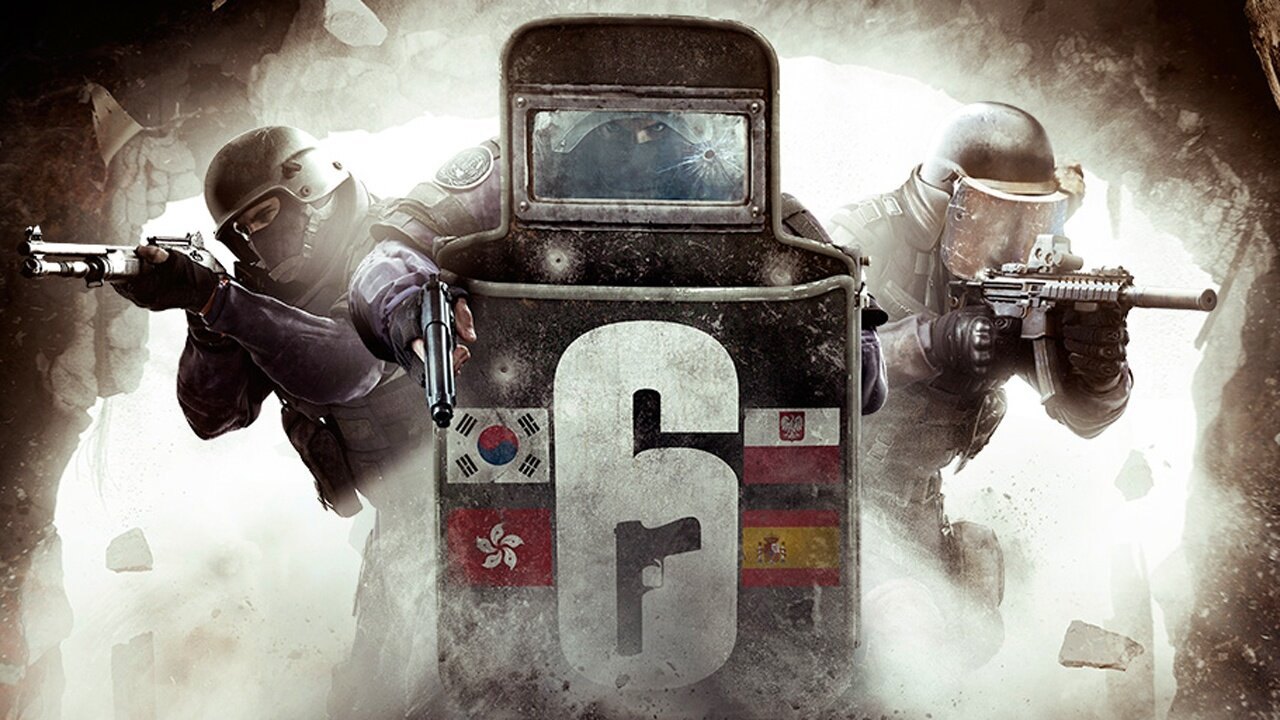
Technology leadership inside a large-scale live-game ecosystem
Worked within the Rainbow Six ecosystem, the largest player-scale game environment of my career to date, across technology, engineering effectiveness and the systems supporting continued live development.
Chronology
Titles and contributions.
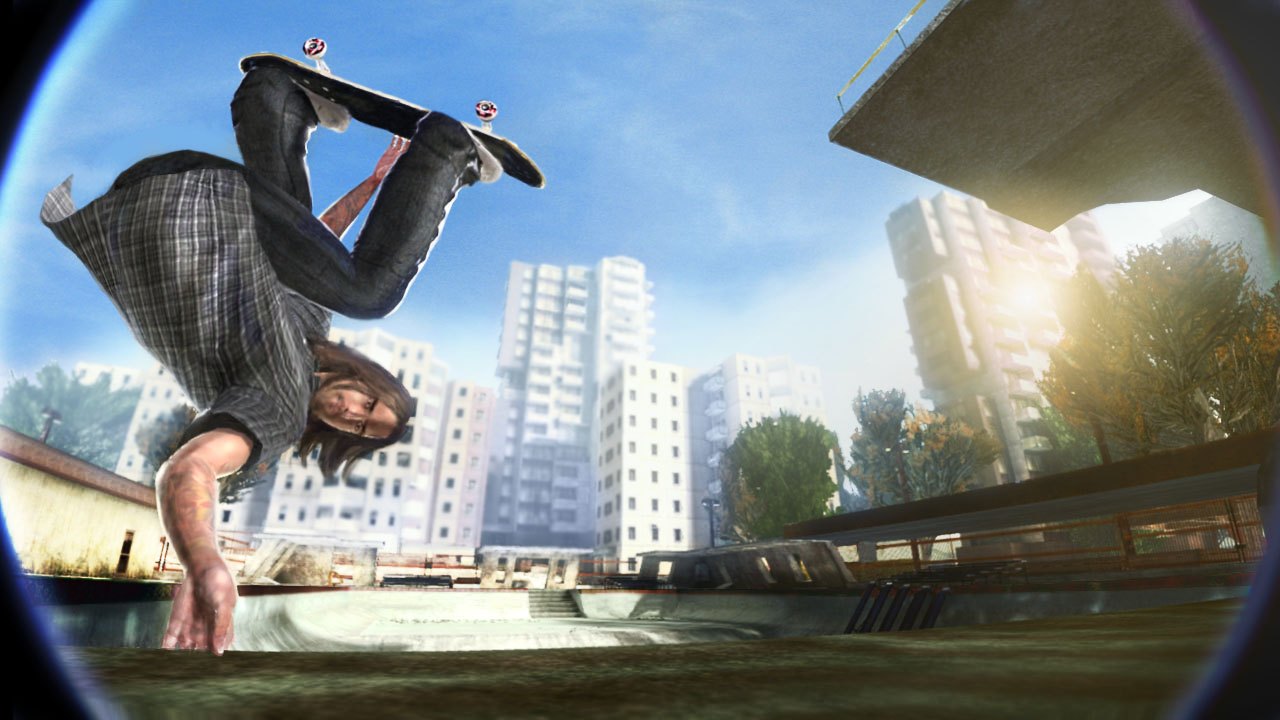
Skate.
Gameplay and ambient AI systems spanning pedestrians, security, characters, interactions, spawning, persistence and world simulation.
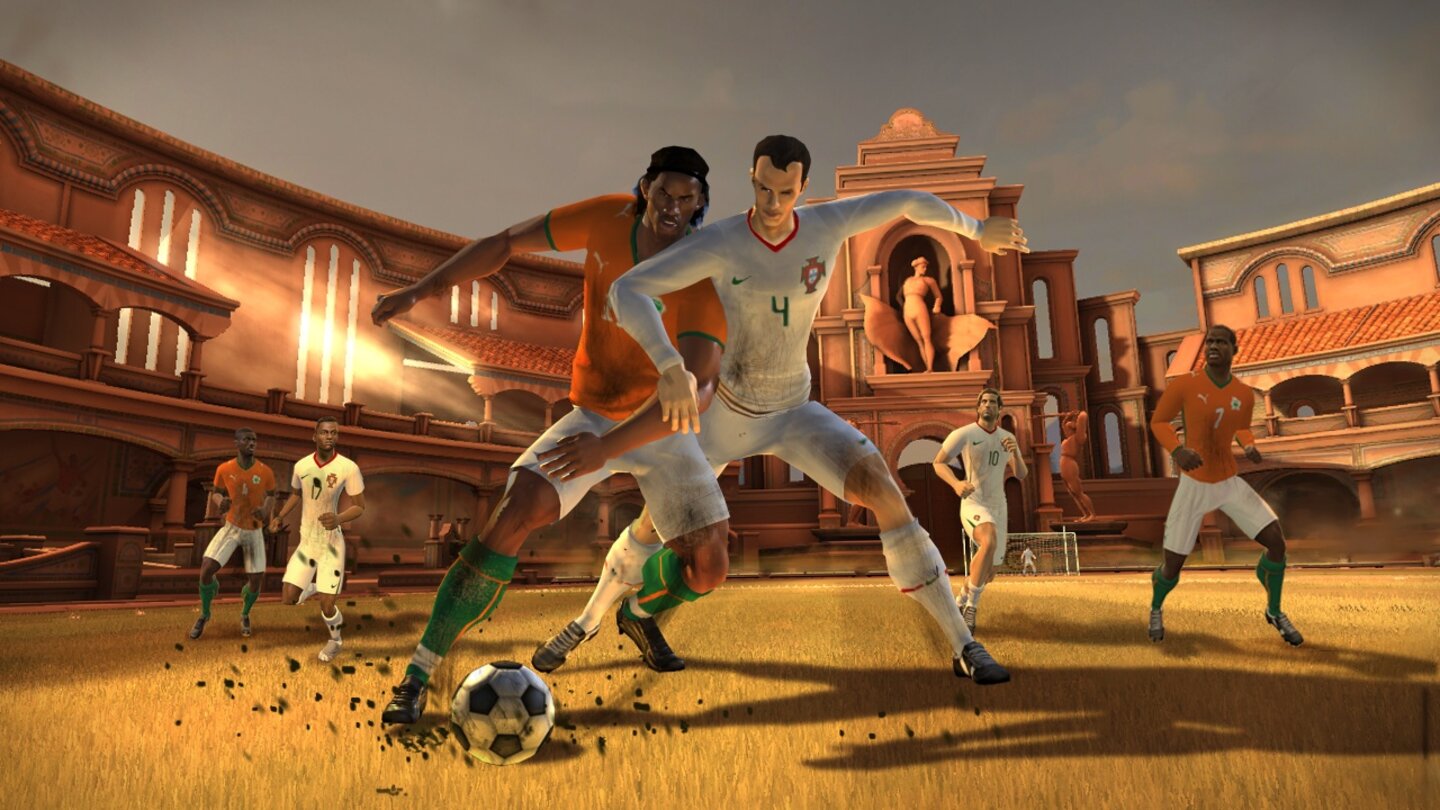
Pure Futbol
Rendering, animation, job-system and multicore performance work that helped move the game from approximately 10 FPS during development to a stable 60 FPS at ship.
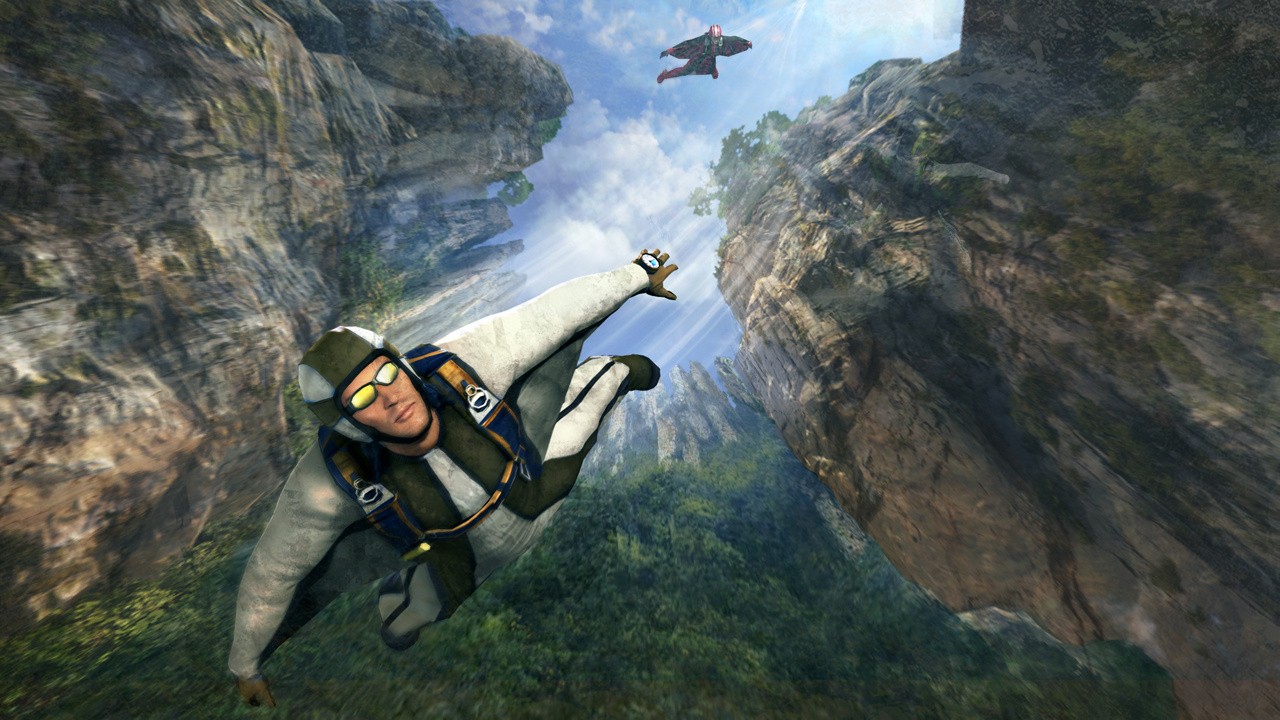
MotionSports: Adrenaline
Interaction work for a motion-controlled title built around Kinect and PlayStation Move, with the player's body as the interface.
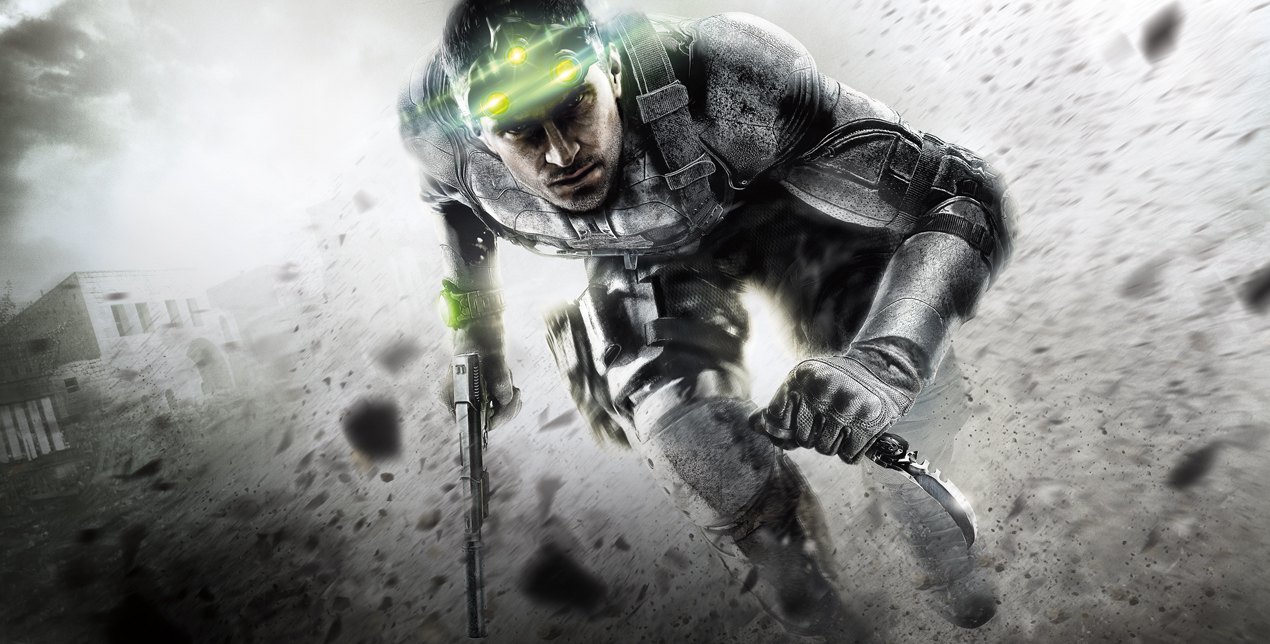
Splinter Cell: Blacklist
Kinect and speech-recognition integration, work in a modified Unreal Engine 2.5 codebase, and spatial frame-rate heatmaps that made performance problems visible inside the game environment.
Rainbow Six
Technology leadership within the Rainbow Six ecosystem, the largest player-scale game environment of my career to date, across technology, engineering effectiveness and the systems supporting continued live development.